

Sows
Challenge:Energy deficit due to hyperprolificity.
Solution:Lipid supplementation with Omega 3 and Omega 6 (Ruminer ω3/ω6) to increase energy density, prevent weight loss and increase litter weight at weaning.
Related products:


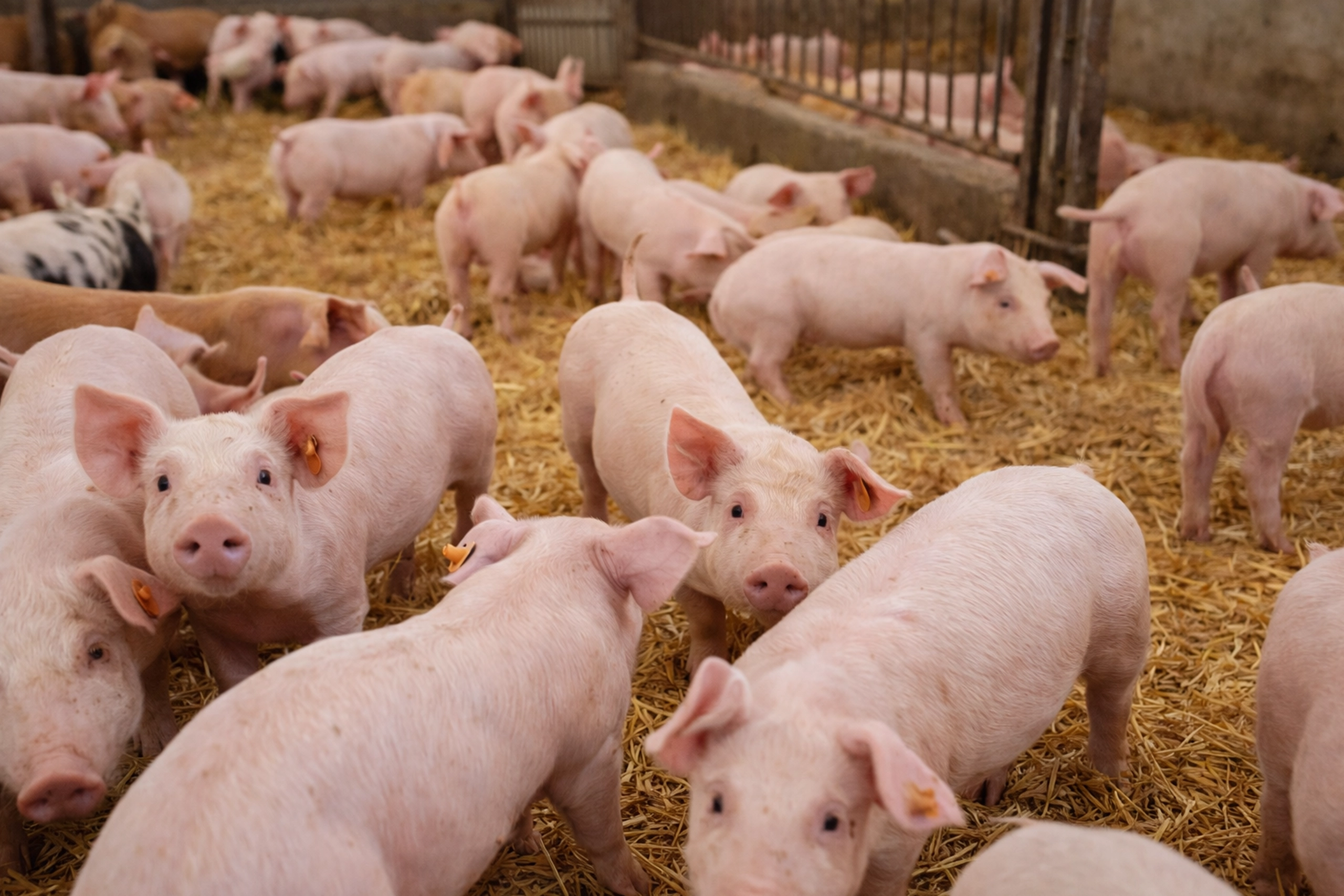
We develop innovative fat-based nutritional solutions to boost performance, feed efficiency and gut health in monogastric animals.
Technical fats for monogastrics provide concentrated, highly digestible energy that helps optimise growth, feed conversion and carcass quality.
By selecting the right fatty acid profile and protection level, they help maintain gut integrity and reduce digestive challenges.
They are also a key tool to formulate diets with greater energy density while maintaining performance and animal health.
On the market there are different types of technical fats, each with particular properties:
Calcium soaps of fatty acids, Saturated or hydrogenated fats, Fractionated fats
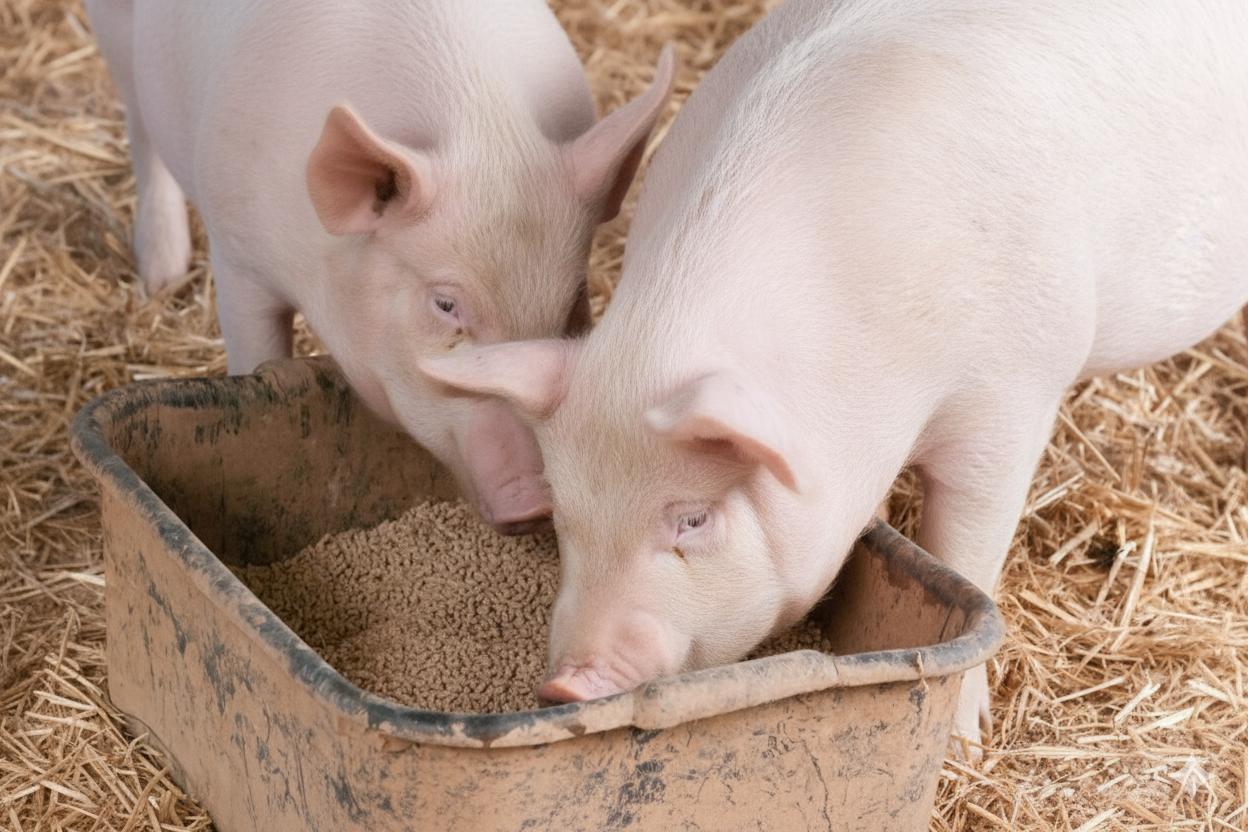
Boost productive performance, feed conversion and gut health in your animals with our innovative solutions.
Healthier lipid profile.
Better feed conversion and daily gain.
Higher weaning weight and fewer losses during lactation.
Increased milk production and fat content.
Higher energy density and digestibility.
Better marbling and meat handling.
No negative impact on carcass performance.
Improves fertility and body condition.
Provides energy during gestation and lactation.
Stimulates progesterone production and helps regulate prostaglandins.
Supports farrowing and postpartum.
Reduces the weaning-to-oestrus interval.
Increases conception rate and litter size.
Improves boar semen quality.
DHA: neurological development in piglets.
Strengthens the immune system.
Improves overall health status.
Reduces weight loss during lactation.
Lowers piglet mortality.
Reduces the use of antibiotics.
Improves feed conversion ratio and daily weight gain.
Supports optimal growth in broilers and turkeys.
Enhances egg production and egg mass in laying hens.
Contributes to better carcass yield and uniformity.
Provides a balanced fatty acid profile in the final product.
Supports intestinal integrity and gut health.
Helps maintain a balanced microbiota.
Strengthens the immune response.
Contributes to reducing digestive disorders.
Helps lower the need for antibiotic treatments.

Improve feed efficiency, growth and product quality in poultry with tailored fat-based nutritional strategies.
Technical fats must respond to different physiological challenges.
Challenge:Energy deficit due to hyperprolificity.
Solution:Lipid supplementation with Omega 3 and Omega 6 (Ruminer ω3/ω6) to increase energy density, prevent weight loss and increase litter weight at weaning.
Challenge:Immature digestion.
Solution:Supplementation with Medium-Chain Fatty Acids (MCFA) (Monofat CC - Lipibiotic). High digestibility (do not require micelles) and bactericidal/bacteriostatic properties for intestinal health.
Challenge:Risk of exudative carcasses and improvement of technological meat quality.
Solution:Use of saturated fats (hydrogenated and fractionated), calcium salts (rich in oleic acid) and MCFA (Ruminer W9, Monofat, NL C16, NL T16, Lipibiotic).
Challenge:Broilers: improvement of productive indices and health status of animals.
Laying and breeding birds: improvement of laying cycle and health status of animals.
Solution:Use of saturated fats (hydrogenated and fractionated), calcium salts (rich in oleic acid) and MCFA (Ruminer W9, Monofat, NL C16, NL T16, Lipibiotic).
Field analysis and practical recommendations for better nutritional decisions.