




The science of lipids:
More than just energy
Fats are more than an energy source: they are essential structural and functional nutrients in animal nutrition. When carefully selected and applied, they can significantly improve efficiency and performance, enhancing production, health, and overall profitability.
From a chemical point of view, fats are hydrophobic organic compounds: they are insoluble in water but soluble in organic solvents. In animal nutrition, approximately 98% of lipids are triglycerides.

Fatty acids: Key functions and productive benefits
Fatty acids are the basic components that determine the nutritional properties (digestibility, melting point, biological value) of fat.
They are classified according to two criteria:
Chain Length
Short and Medium (MCFA):
<12 carbons. Rapid absorption and bactericidal effects.
Long (LCFA):
>12 carbons. The most common (e.g. Palmitic, Oleic).
Degree of Saturation
Saturated (SFA):
No double bonds. Solid and stable (e.g. C16:0).
Unsaturated (UFA):
With double bonds. Liquid and reactive (e.g. Oleic, Linoleic).
We select the exact profile according to the productive goal:
Medium-chain fatty acids (MCFA)
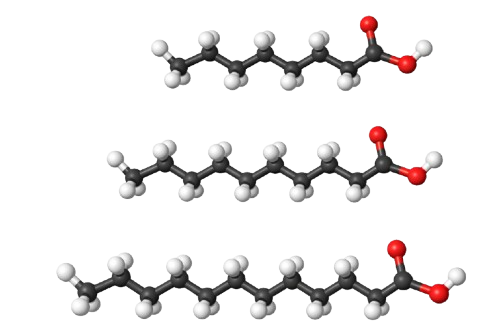
Bactericidal and bacteriostatic power. Act as non-antibiotic growth promoters, increasing immunity and productive indices.

Palmitic acid (C16:0)
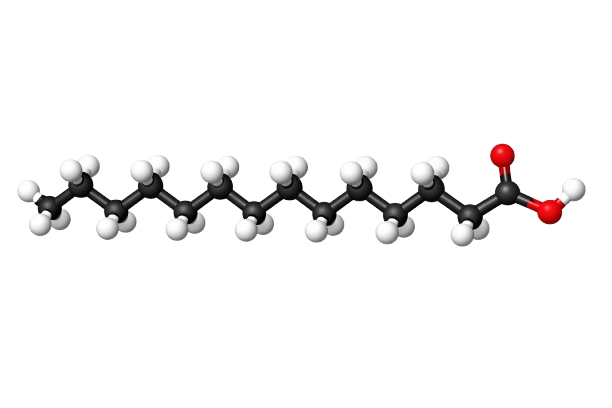
Improves milk production and milk fat percentage.



Oleic acid (C18:1)
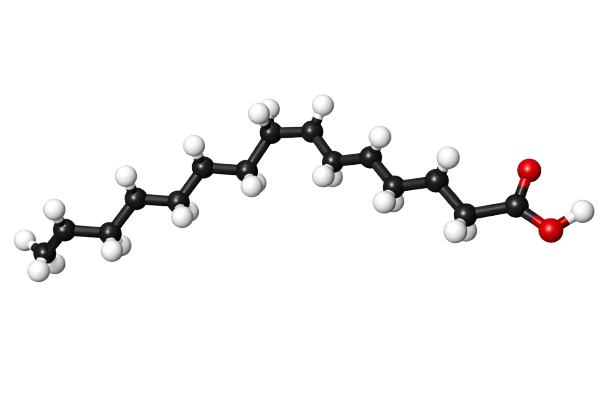
Maximizes total fat digestibility at intestinal level. Stimulates insulin, reducing body weight loss and improving reproduction.


Linoleic acid (C18:2)
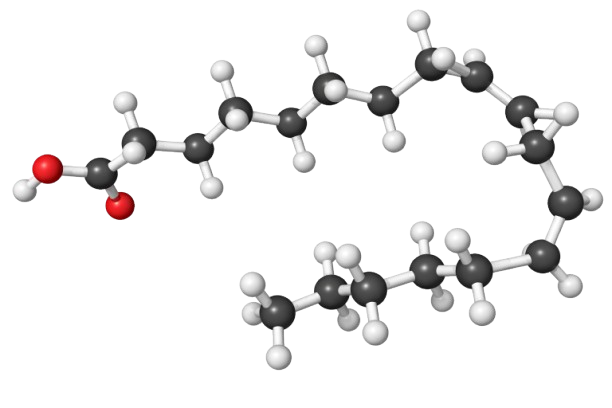
Increases reproductive hormone levels and inflammation, favoring calving. Related to reproductive function.
Linolenic acid (C18:3) - EPA (20:5 n‑3) and DHA (22:6 n‑3)
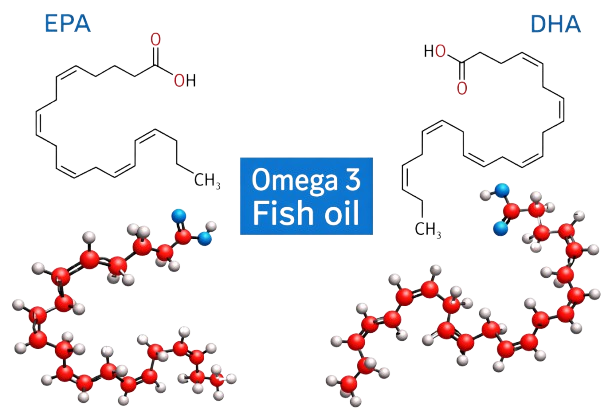
Increases reproductive hormone levels, reduces inflammation, improves embryo survival and the immune system.

Our Technical Solutions for Ruminants (Bypass Strategy)
Bypass inert fats are presented as an effective solution to cover Negative Energy Balance (NEB) in postpartum.
They cross the rumen without affecting ruminal functionality.
They arrive intact to the small intestine, where they are absorbed with maximum efficiency.
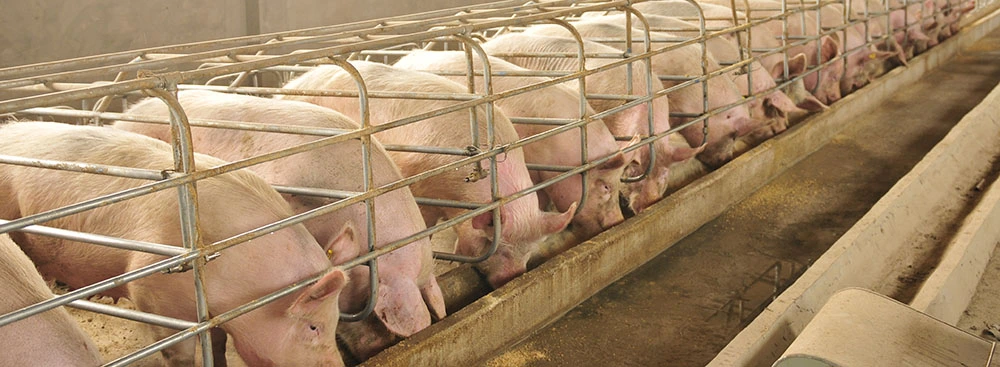
Solutions Specific for Monogastrics (Swine and Poultry)
Technical fats must respond to different physiological challenges.
Supply the energy deficit due to hyperprolificity in sows through lipid supplementation with Ω3 and Ω6.
In Poultry, the main challenges are improving productive indices, health status and laying cycle.
Fats provide the highest energy density in the diet (9.3 kcal/g), but their true value goes much further. They are structural components of cell membranes, precursors of reproductive hormones and prostaglandins, and allow the absorption of fat-soluble vitamins (A, D, E and K).
Used strategically, fats improve productive efficiency, metabolic health and profitability.
Saturated fatty acids (such as palmitic acid, C16:0) are more stable and allow energy to be directed towards specific productive objectives, such as milk fat synthesis.
Unsaturated ones (oleic, linoleic, linolenic) are more reactive and play a key role in digestibility, reproduction and immunity.
The proper combination of both defines nutritional success.
Precision nutrition in lipids consists of selecting the exact fatty acid profile according to productive needs:
energy, reproduction, intestinal health or final product quality.
Not all fats work the same; each fatty acid has a specific metabolic function that can be activated with the right technology.
Bypass fats are rumen-inert lipids that are efficiently absorbed in the intestine. In dairy cows, they allow covering the Negative Energy Balance without affecting ruminal fermentation or fibre digestibility, maximising milk production and solids. Solutions: • Calcium soaps RUMINER® – health, digestibility and reproduction. • Hydrogenated/fractionated fats NL® – HIDROFAT® – directed energy and milk solids.
• Calcium soaps (RUMINER®): Ideal for improving productive performance, body condition, ruminal health and reproduction. • Hydrogenated/fractionated fats (NL®, HIDROFAT®): Recommended when the goal is to maximise milk production and solids through specific profiles such as C16:0. Expert strategy: Combine both technologies to maximise efficiency and profitability.
• Piglets: Medium-Chain Fatty Acids (MCFA), highly digestible and with bactericidal effect. • Hyper-prolific sows: Omega 3 and 6 (RUMINER ω3 / ω6) to increase energy density and improve litter weight. • Poultry: Technical fats to increase metabolizable energy and optimise growth and laying.
Specific fatty acids act directly on hormonal metabolism: • Oleic (ω9): Improves digestibility and embryonic development. • Linoleic (ω6): Favours calving. • Linolenic (ω3): Improves embryonic survival and maintenance of pregnancy. The result is better reproductive efficiency and less loss of body condition.